
Rice (Part-1)
- Neelangi Mehta
- Dec 30, 2022
- 9 min read

Updated: Jan 1, 2023
" Dear readers, we welcome you with another article about another vein of food shallowly known by us. To explore its depths, go ahead and have a great time reading."
"Part 1 of the article is based on rice and mainly consists of the origin, journey, processing and products of rice."
Rice is described as a seed from the ‘Orzya Sativa’ species of grass with long and flat leaves attached to hollow stems. This grass, on harvesting, shoots up to 1.2 meters above ground from long spreading fibrous root system below soil.
Rice grass was first discovered in its wild form-‘Genera Zizania’ in China, India and some parts of South East Asia. It was domesticated through cultivation around 4000 BC near the Yangtze river and Ganga river. The domesticated rice species is noted in the record as-‘Porteresia’. It was taken to West Africa till an became popular till the 17th century. Here a new species of rice was cultivated, known as ‘Orzya Glaberrima’ or African Rice. It is rarely available compared to ‘Orzya Sativa’ or Asian Rice. It was then taken to Carolina, America through trade. Introduction of rice to America brought the complex agricultural system to practice in America.
A whole rice grain is made of 3 edible components and one non-edible component i.e. the outer hull which is removed before eaten, regardless of the type of rice.
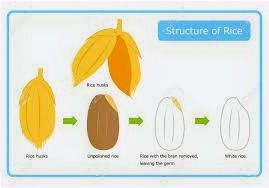
Rice is either consumed in its whole intact form by just removing its inedible hull (Brown rice) or in its whitened and polished form (White rice). Brown rice is less processed and more fiborous compared to white rice due to the presence of bran and germ in the former type of rice. Removal of bran will give embryo rice, which has the rice germ still attached. The edible components are bran, germ and endosperm.


Bran: It is one of the main by-products obtained after threshing the hull off the paddy during rice milling. Out of 100kg of paddy, 5-10kg of bran is produced. During milling, different kinds of brans are produced. In the 1st whitening step- coarse bran, 2nd whitening- fine bran also known as Full Fat Rice Bran(FRB), polishing- Defatted Rice Bran(DRB) referred to as ‘polish’ which has a part of the endosperm, are produced. It is popularly known as rice bran meal. In some varieties, the bran layer is left intact on the grain. It is composed of vitamin B, E, 15-20% oil, protein, carbohydrates, antioxidants and anti-cancer compounds. Due to the lipids present in the bran, there are high activities of lipases and lipoxygenases which means easy rancidity. Hence the grain with its bran layer still intact, has a shorter shelf life compared to a more processed rice grain. The extracted rice bran is then used to make rice bran oil, post which the dry waste is used as cattle feed.

Germ: Rice germ is a nutrient rich fragment of the rice grain. It is described to be a kernel of rice making 1% of the total grain weight, 30% of total nutrition, 30% of total oil content and contributes to overall colour of the grain. It is a source of plant-based protein, essential amino acids, fibre, water soluble vitamins-thiamine(B1), B6 and minerals like Mg, Mn, Fe. After its extraction, it is heated to stabilise and then ground into a fine yellow powder. Rice germ is used in pastries, energy bars, breakfast cereals and nutritional supplements. It is also useful for animal feed.

Endosperm: (A.K.A. White rice) It is the largest part of the rice grain also being the largest consumed part. It is a store carrying hormones and nutrients for the embryo while surrounding it and determines the size of the seed and fruit. It also functions as a mediator of food from vegetable tissues to the metal rich embryo. It is the main source of food for humans.
Be it brown or white rice, rice paddy goes through necessary processing to obtain a product fit for edibility and digestion for the human gut, with required qualities. The very first step of rice processing from field to ready to supply rice grains is:
Pre-planting: The rice field is prepared for planting. Rice is sowed in kharif season i.e. in June and July and harvested in November to December. Its characteristicly prepared like a swamp as rice requires moisture, humidity and a warm climate to grow. A temperature of 70 degree farenheit (21 degree celcius) along with a slightly acidic clay soil and full sunshine. There should be a reliable water resource and a good drainage system.

Paddy transplanting: The rice crops are awaited to grow a feet high from the swamp surface, it is called as paddy rice. This paddy is then transplanted from swampy fields to moist soils, where it is awaited to grow till its fit for harvest. It takes 90 to 110 days from sowing, to grow paddy rice. Traditionally, the paddy is transplanted by picking with hands, but a paddy transplanter does a faster job.
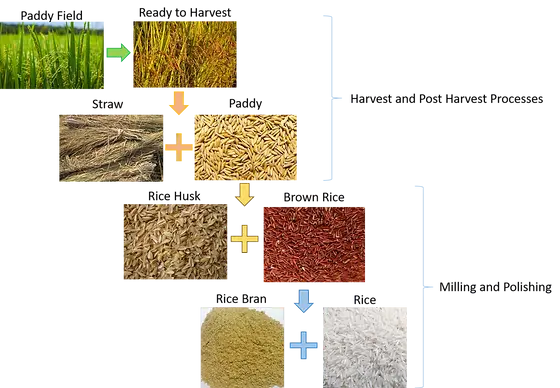

Harvesting: Harvesting is done in November to December, a standard season for rice harvest. Very early maturing varieties are reaped from 95 days of sowing, very late maturing varieties are reaped from 250 days of sowing and medium maturing rice varieties are reaped from 120 to 150 days of sowing. Harvesting is initiated by reaping the crops i.e. cutting the panicles and straws of the matured rice crops. Rice is then stacked in the sunlight for drying and sanitization. This also keeps away pests as much as possible.
Cleaning: This step includes actions like removal of straw, weeds, soil, stones and other unwanted particles. This is done to prevent damage to the huller.
Dehusking/Dehulling: The cleaned paddy rice is then passed through the huller, between two abrasive surfaces moving at different speeds where the inedible outer hull or husk is removed the shedded husk is removed by suction and moved to the storage dump outside the mill. 20% of the total paddy weight comes from its husk. An efficient huller seperates 90% of the husk in a single passing.
Paddy separation: At this stage, the remaining unhusked paddy rice is separated from the husked brown rice. This amount of unhusked rice should not be more than 10%. These paddy seperators work on the concept of specific gravity, buoyancy and the difference of sizes of paddy and brown rice.
Whitening or Polishing: This process includes passing the paddy through abrasive or friction polishers. It is passed through 2-4 whitening machines to reduce breakage of grains. At the end of the process, 8-10% of total bran is removed from the total paddy weight.
Separation of White Rice: After polishing, the milled rice grains are seperated into grade categories such as Head Rice kernels, Large and Small Broken Rice kernels or brewers.
Head Rice: The length of this kernel is greater or equal to ¾ length of the whole rice kernel.
Large Broken Rice: The length of this type of kernel is less than ¾ length and more than ¼ length of the whole rice kernel.
Small Broken Rice: A.K.A. Brewers, are kernels less than ¼ length of the whole rice kernel.
To grade milled rice, an Indent Grader is used for a more precise grading.
Mist Polishing: Mist polishing improves the lustre of the whitened rice along with the benefit of an increase in the milling yield. Mist polishing is done by passing rice kernels through friction type of whitening machines. This machine sprinkles fine mist on the rice grains to give the extra lustre.
Rice Mixing: Here, different grades of kernels are mixed in different proportions. These proportions vary as per country. A good rice mill will produce 50-60% of Head rice, 10-15% of Brewers and 5-10% of Large Broken Kernels. As per the standard mix of a country, the mix should contain 5-25% of broken kernels. A volumetric mixer is used to create precise proportions of various mixes.
Rice Weighing: This is the final step in rice processing. Rice is accurately weighed on manual mechanical scales or fast electrical systems and labelled. It is usually sold in 50kg sacks and further distributed in retail stores.
After processing, rice kernels are used to create many rice products which come with various uses increasing the versatility of rice. Here are some rice products mentioned:

Parboiled rice: Rice grains, while in their inedible hull, are soaked and steamed under pressure to later be dried for the purpose of hardening and thickening the starch in them. Once parboiled, the rice kernels become stiffer and yellow in colour, turn out to be extra fluffy when cooked and do not stick. Parboiled rice retains more nutrients throughout its cooking compared to regular white rice.

Rice flakes: Rice grains are parboiled, rolled, flattened and dried. They come in different thickness and sizes. This by-product is commonly used as in Asian cuisine and as European snacks and cereals.

Instant rice: Rice grains are processed, pre-cooked and then dried to store. More nutrients are added to make up for the ones which are lost during the processing. Instant rice comes with longer shelf life and less cooking time.
Enriched rice: Regular white rice is enriched with added nutrients, which are lost whilst processing. Nutrients such as Iron, Niacin, Thiamine, Folic acid, etc. are added. Even after adding these nutrients, brown rice is more nutritive than enriched rice. It is advised to minimally rinse and cook the enriched rice in minimal water.

Puffed rice: Rice grains are heated to a high temperature under extreme pressure and then reducing the pressure quickly causing the grains to puff. Puffed rice is used in cereals, snacks and cakes.
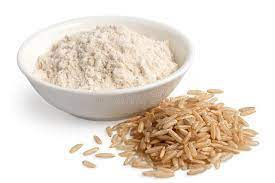
Rice flour: Uncooked rice grains are ground to powder, ranging from coarse to fine thickness. It is available as white rice flour and brown rice flour. Rice flour is used in Asian and European cuisine famously for cooking and baking goods.
White and Brown rice flour


Rice bran: It is the outer layer of the rice grain which is removed during processing. Rice bran is loaded with fibre making it good for digestion. This quality makes it a useful part of cereals, food mixes, vitamin concentrates and other such nutrition supplements.
Rice Crisps and Rice Biscuits


Rice cereals: A mix of or individual types of puffed rice, rice flakes, rice crisps and rice biscuits. These cereals are cooked and available in whole grain or granulated form. Rice cereals are simply had as a breakfast item or used in desserts and puddings.

Rice cakes: Round, crispy and flat puffed rice which does not have any flavour. Rice cakes are flavoured with cheese, caramel or cinnamon and consumed as a low-fat appetizer or snack.

Rice noodles: A.k.a. Asian Noodles are prepared using rice flour and water with mild flavour and chewy texture. It is available in thickness range that of a vermicelli to that of a fettucine(1/4inch). As the name refers, it is used in asian cuisine in many ways, as in fried and used in salads, pre-soaked and boiled for a noodle dish, used to add body in soups and in stir-fries.

Rice paper: Another common ingredient used in oriental cuisine, made of rice flour and water. It is semi-transparent, brittle, round and available in size varying from 6-14 inches. It is soaked in water to soften and used as a wrap to make rolls or fried and eaten as a snack with nori sheets.


Boil-in-bag rice: A form of convenience food which consists of measured amount of precooked rice in a food grade plastic bags with tiny holes. The bag can be plunged in boiling water as the rice absorbs the needed water through the holes in the packet, which is then cut open to serve the cooked rice.

Prepared rice mixes: A range of packaged convenience rice foods, which are sometimes ready to eat or require minimal preparation. They have all the required spices and sauces along with the main ingredients which are precooked. These packets come with instructions, minimal cooking time and steps with long shelf lives. Eg. Noodle soup, frozen Vietnamese rolls, poha, rajma chawal, etc.


Amazake: Basically rice milk which is thick and fermented, served in Japan. Available from white or brown rice and sometimes also synthetically made by mixing rice flour and water. It is used as a flavouring agent or as a substitute of milk in many Japanese and other oriental recipes.

Rice cheese: A substitute to dairy cheese which is made of rice casein(milk protein), food oils and seasonings. It has the distinct rice flavour along with which desired flavour is added to make different kinds of cheese substitute, eg. Cheddar rice cheese, mozzarella rice cheese. Rice cheese does not compromise in the typical cheese features like melting, smooth, can be sliced and shredded.

Rice cream: It is a substitute to marshmallow cream due to their similarities. It is made of rice syrups, natural gums and flavourings.

Sake: It is a Japanese rice wine made from fermented glutinous rice and does not require ageing. It is a sweet wine and low in alcoholic content. Sake is used in Asian cooking in marinades and served as a warm beverage.
Rice vinegar: It is made using rice wine and available in three types:
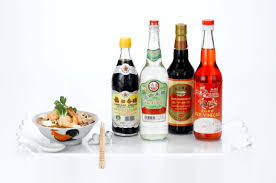
White rice vinegar- Sweetened/unsweetened with light flavours, suitable for vinaigrettes.
Black rice vinegar- Has a more pronounced flavour and used in soups and as condiments.
Red rice vinegar- It is a spicy flavouring agent, also served as a dipping sauce.

Rice syrup: Rice syrup is also known as ‘Rice Money’ which is made using whole rice grain. Rice grains are cultured and fermented with enzymes to break down the natural starches present to complex carbohydrates, maltose and glucose.it is then boiled followed by which the liquid and rice meal separated. The liquid is processed into rice syrup which has half the sweetness of regular processed white sugar, mild butterscotch flavour, also available in crisp and hard texture. It is used to substitute brown and white sugar in baked goods and sweets. Rice syrup is also available in variants like brown rice syrup, rice bran syrup and rice malt. It can be stored for a year in a cool and dry place.

Rice bran oil: It is obtained out of rice bran. Rice bran oil is a healthier option with high vitamins, minerals, amino acids, essential fatty acids and antioxidants along with a nutty flavour.
"At the end of this part, I hope we know how versatile our well known rice is, which has travelled through time and distance to give out more varieties. In the second part, different varieties and medicinal uses of rice will be listed. Keep reading to catch up."


Comments